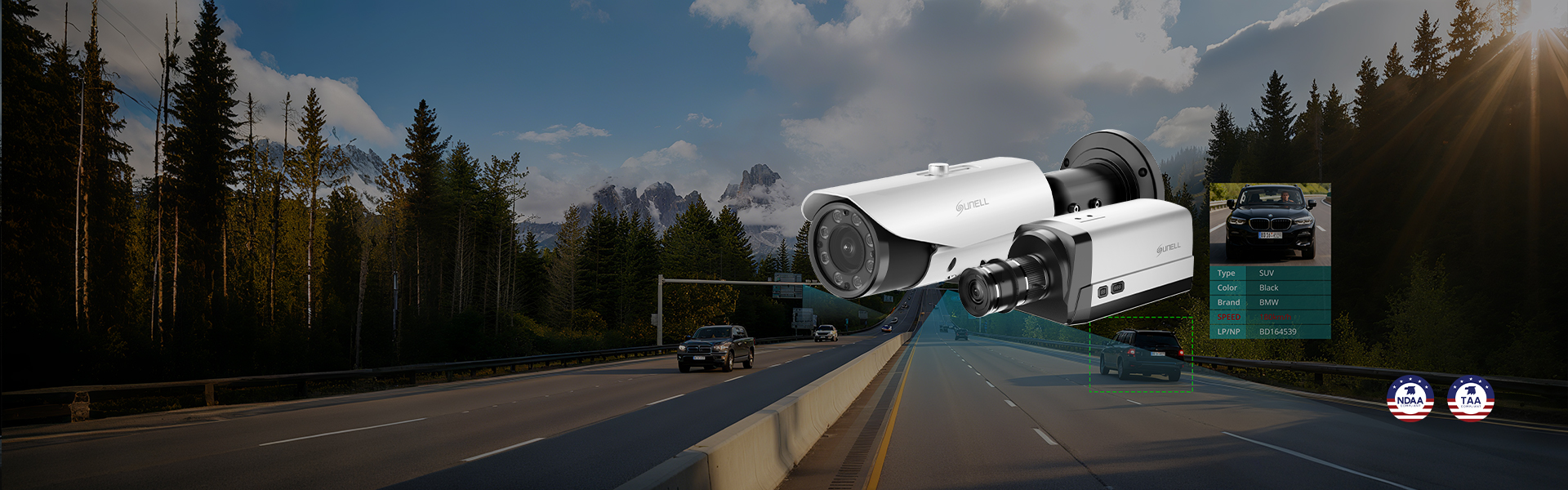
High-precision ANPR cameras with real-time license plate recognition and intelligent vehicle analysis for traffic monitoring and security applications.
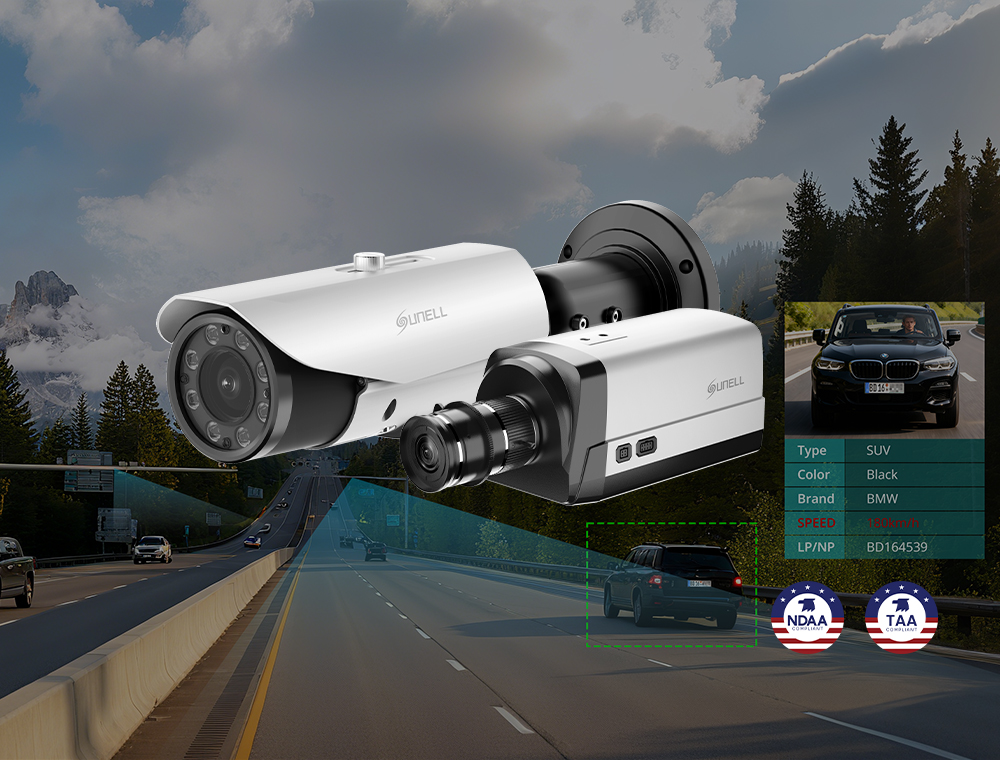
LPR Algorithms with Global Coverage (50+ Countries), Supporting Multi-Attribute Vehicle Recognition: Type, Color, and Brand
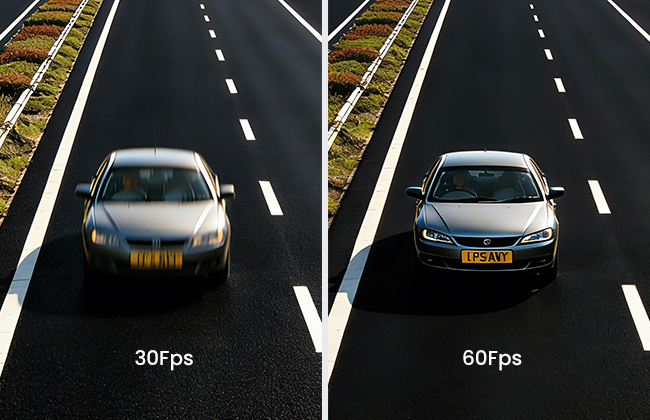
Our LPR camera integrates a 1" or 1/1.8-inch large-format sensor with 60fps full-frame imaging, delivering ultra-clear, high-speed license plate recognition.
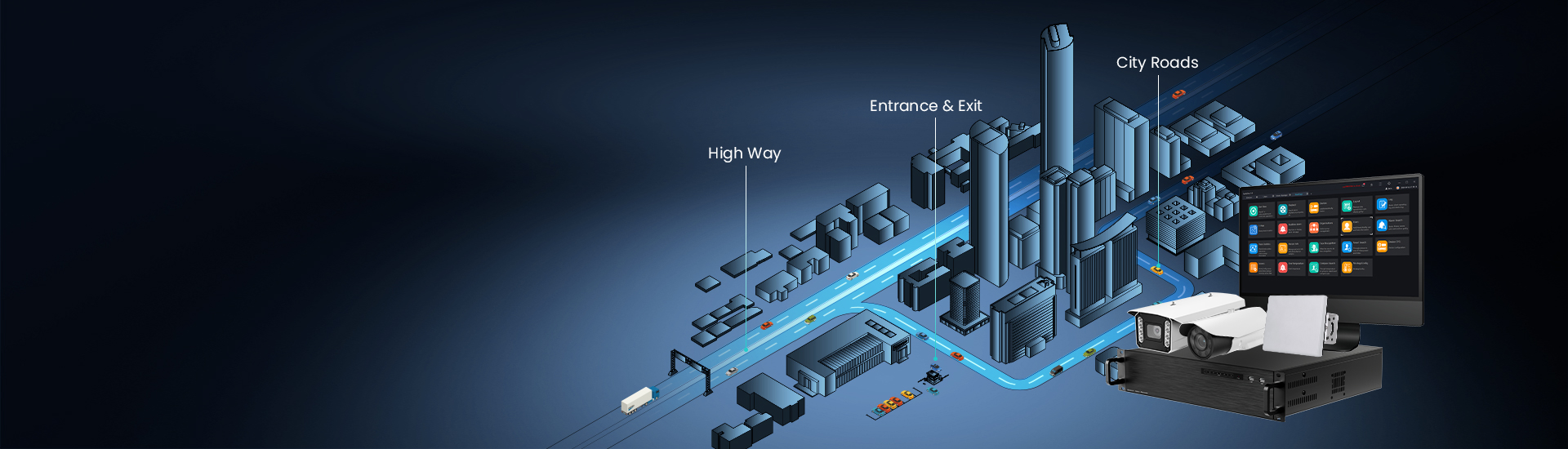
Build smarter traffic systems with our full-stack ANPR solutions. Global shutter cameras + radar speed detection + AI vehicle analytics – deploy anywhere: highways, cities, parking.
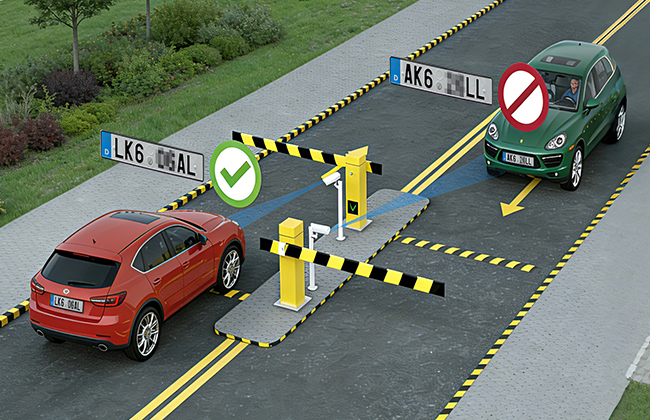
Real-time License Plate List Management and Access Control
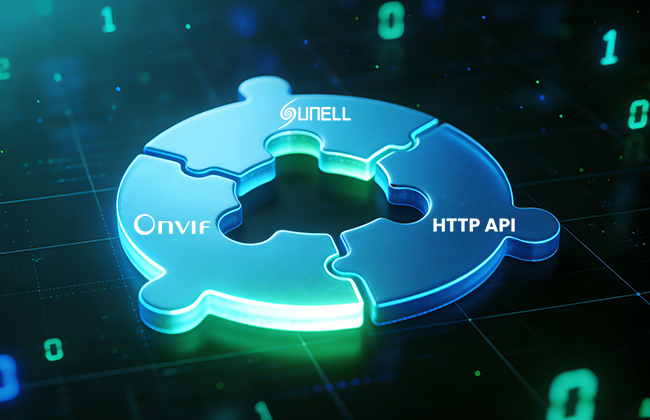
Seamless third-party system integration via standardized ONVIF and API, enabling real-time transmission of license plate recognition results and structured vehicle metadata (including color, type, speed, and timestamp) to fulfill complex project integration requirements.
High-performance ANPR cameras designed for accurate license plate recognition, supporting intelligent traffic monitoring and NDAA-compliant security deployments.
Total Products: 0
Everything you need to know about our surveillance products, integration, and technical support.
Compare capture speed, lane count, shutter and illumination, plate region support, recognition outputs, allow/deny list workflow, trigger method, I/O, evidence image, and integration API. The exact combination varies by model, suffix, firmware, and region, so use the current datasheet and confirm the quoted configuration before specifying the product.
Provide country and plate type, lane width, camera angle and distance, vehicle speed, day/night lighting, required metadata, gate or VMS integration, and acceptance target, together with the deployment country, required quantity, target schedule, integration platform, and any mandatory compliance or documentation requirements.
Vehicle access, parking, traffic monitoring, or enforcement-support workflows where site geometry and regional plates are validated Final selection should be based on site conditions, detection objectives, integration requirements, lifecycle support, and applicable project rules.