SIP / VoIP

SIP & VoIP Integration

Standards-based IP communication for video intercom, network audio, paging and compatible third-party communication systems.

  • Overview
  • How It Works
  • Key Capabilities
  • Architecture
  • Open Interoperability
  • Related
  • FAQ
Technology Overview

Open IP Communication for Connected Security Systems

SIP provides standards-based session signaling for VoIP communication across IP networks.

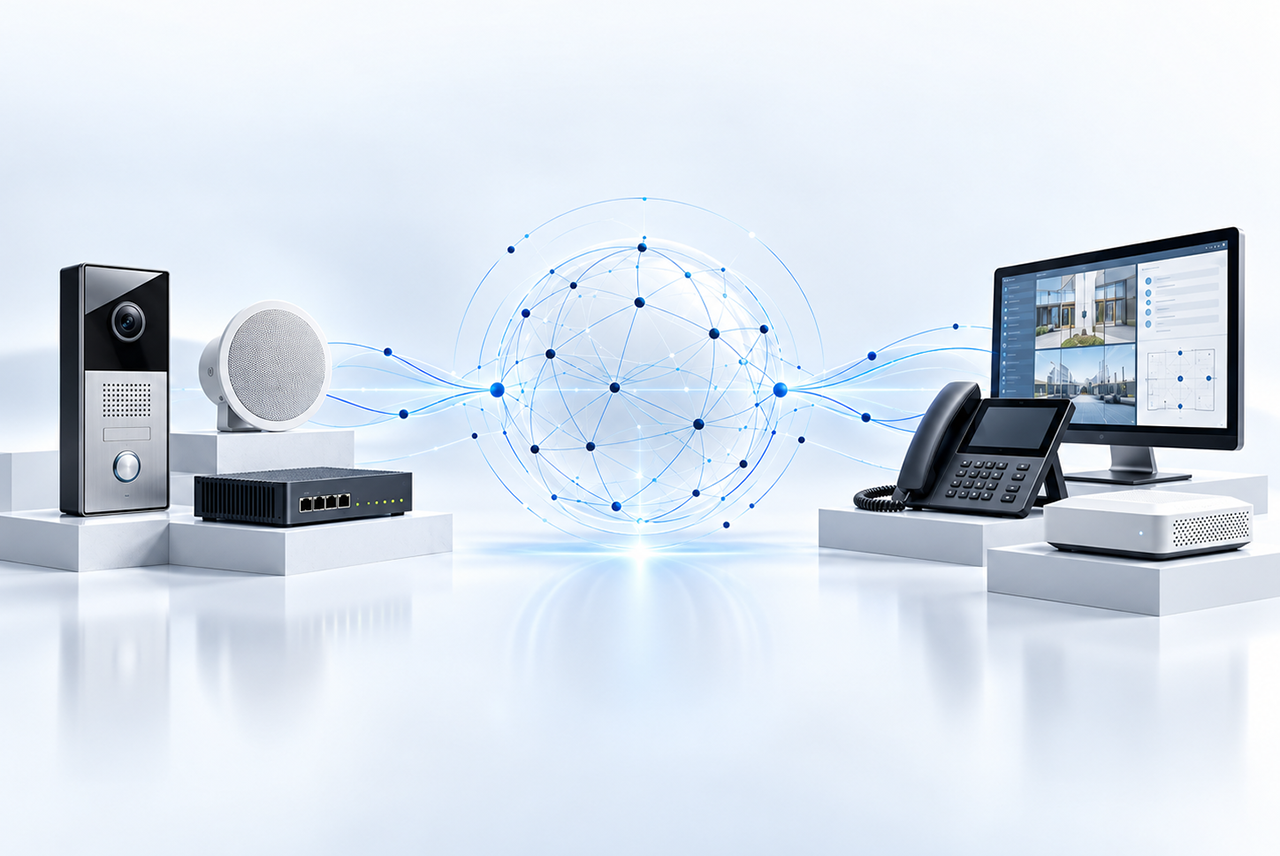
Selected Sunell video intercom and network audio products support SIP-based communication, enabling integration with compatible SIP servers, IP-PBX platforms, IP phones and other communication endpoints.

Within an open integration architecture, SIP can work alongside video interoperability, browser-based communication and application APIs to support connected communication workflows across compatible systems.

How It Works

Signaling, Media and Voice Encoding

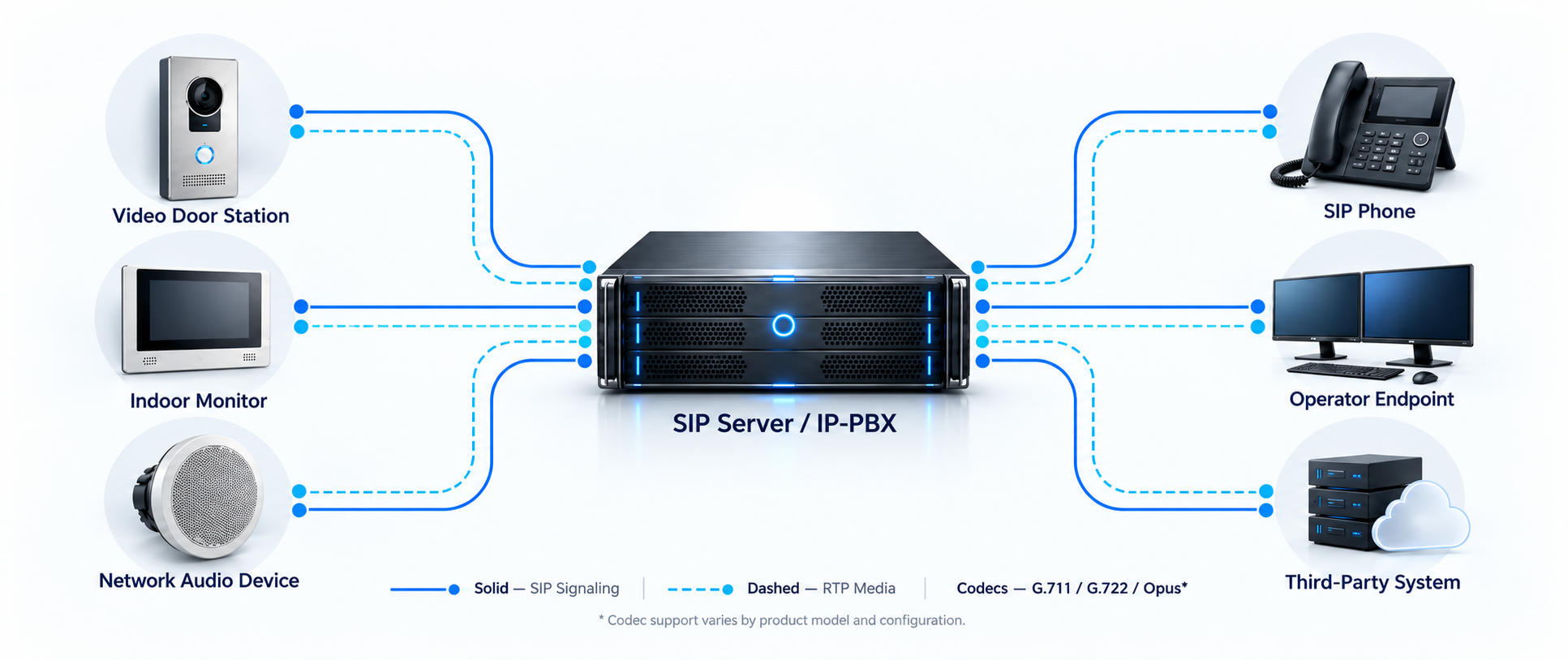
VoIP refers to voice communication over IP networks, while SIP is commonly used to establish and manage communication sessions. A typical SIP-based session combines signaling, real-time media transport and audio encoding.
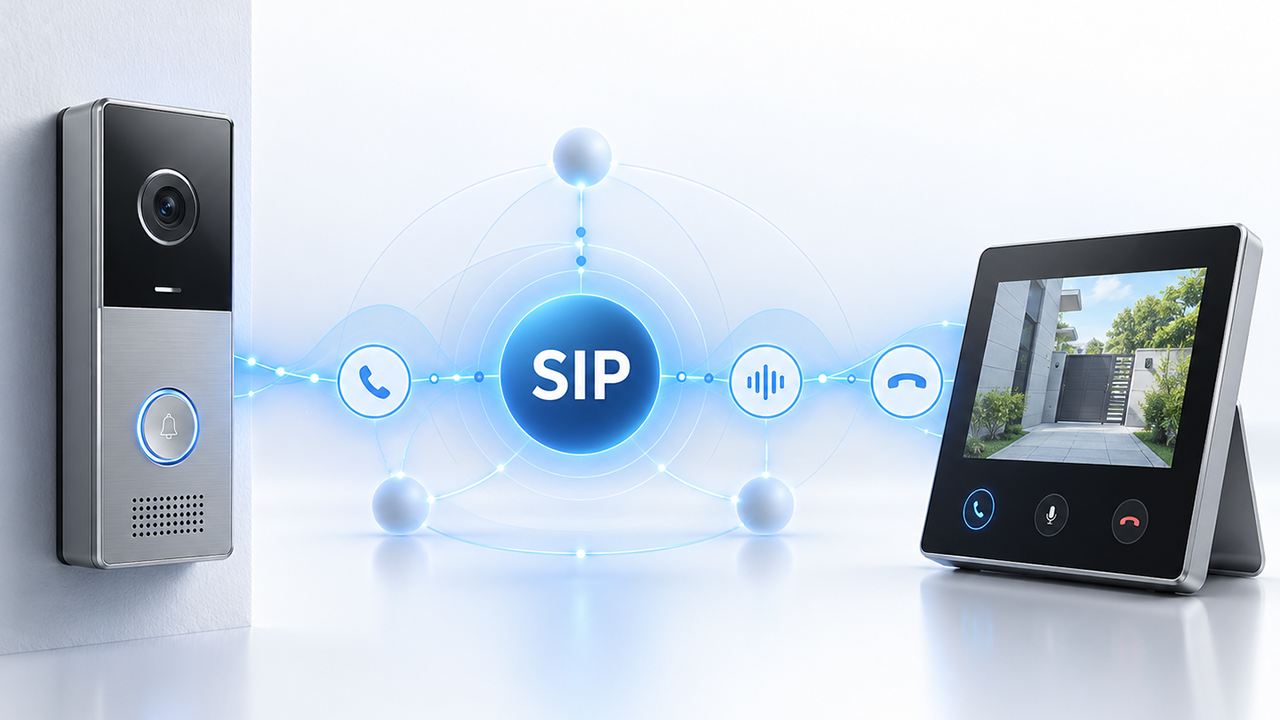
SIP

SIP

Session Initiation Protocol is used to establish, manage and terminate communication sessions between compatible IP endpoints.

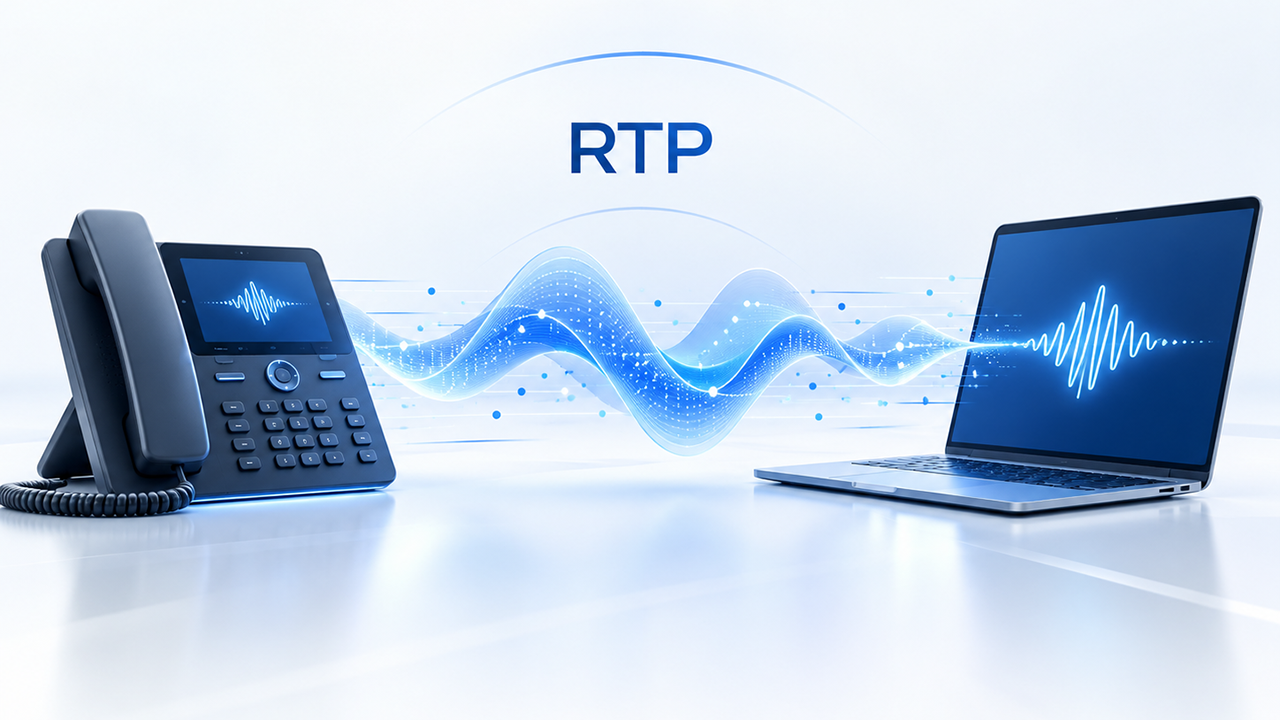
RTP

RTP

After a session is established, RTP is commonly used to transport real-time audio or related media between compatible endpoints.

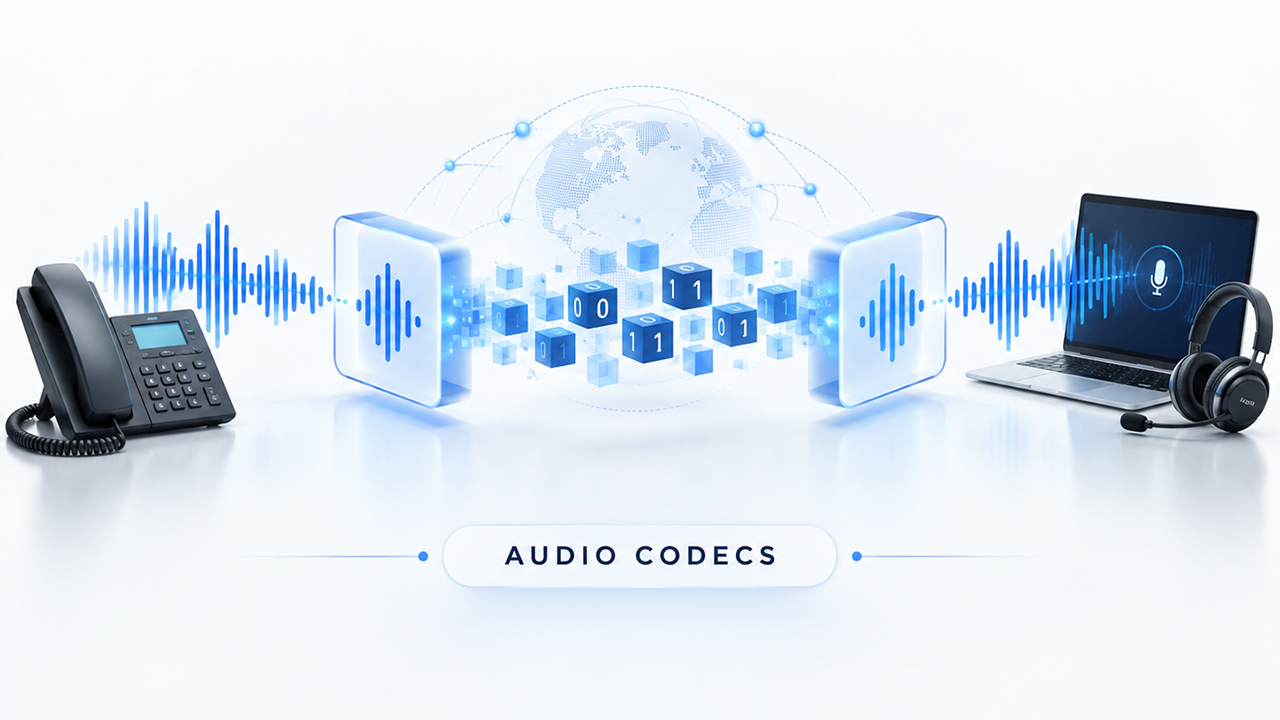
Audio Codecs

Audio Codecs

Codecs encode and decode voice for network transmission. Supported codec options depend on the selected product and configuration.

Core Capabilities

Key Functions for SIP-Based Integration

Selected Sunell products provide SIP-related communication functions for different intercom and network audio requirements.

SIP Registration

Supported devices can register with compatible SIP servers or IP-PBX platforms, depending on product capability and system configuration.

Two-Way Audio

Devices equipped with supported audio hardware can enable real-time voice communication between users and connected endpoints.

Direct IP Calling

Selected network audio products support SIP Direct IP Call for point-to-point communication between compatible IP endpoints.

RTP & Multicast

Selected products support RTP media transport and, where applicable, RTP multicast for efficient audio distribution to multiple endpoints.

Integration Architecture

A Common Communication Layer Across Multiple Endpoints

A SIP-based system can connect supported Sunell communication devices with compatible SIP servers, IP-PBX infrastructure and third-party endpoints over standard IP networks.
Open Interoperability

SIP as Part of a Broader Integration Architecture

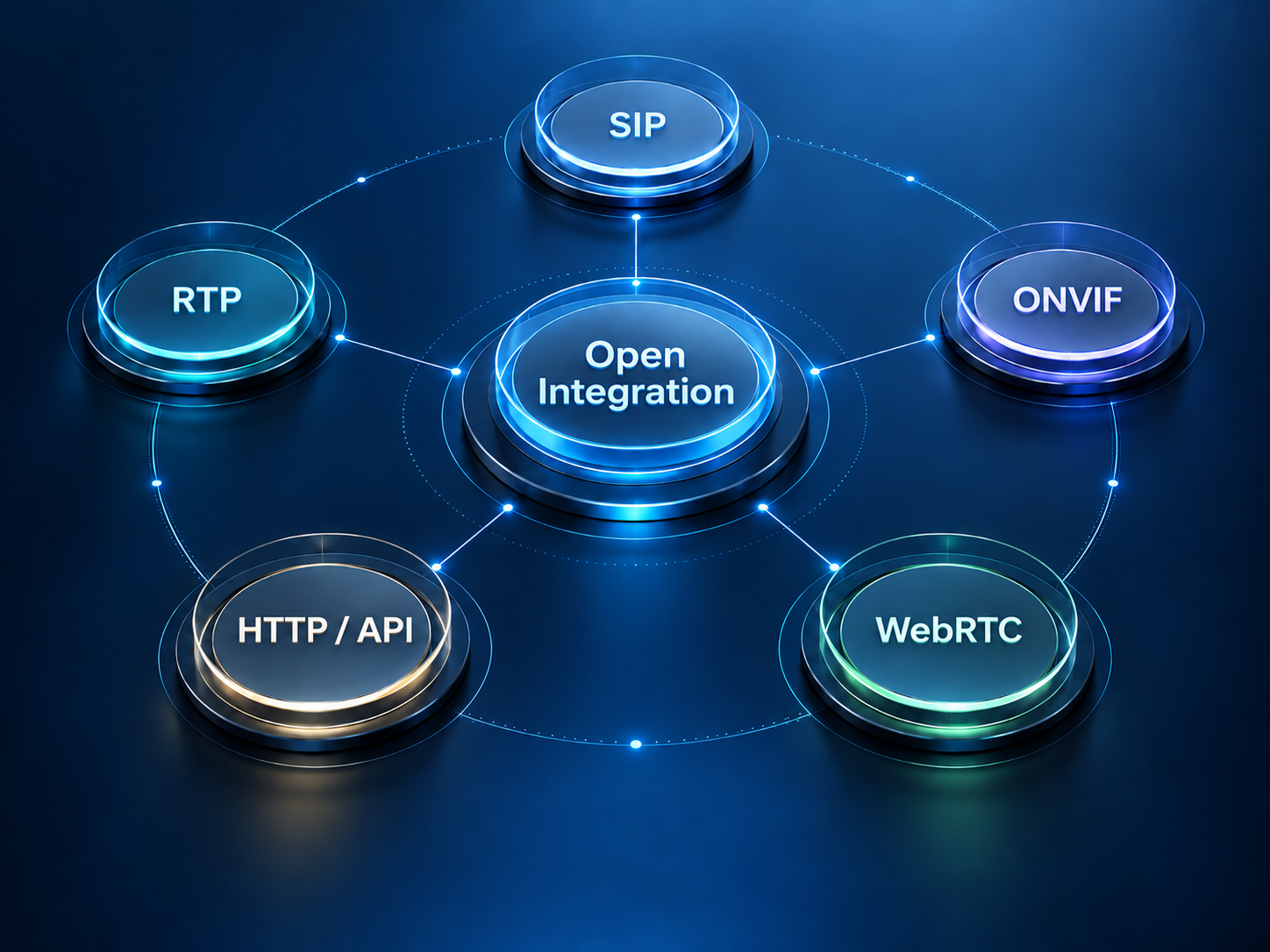
SIP addresses communication session signaling. Other open technologies can operate alongside it to support video interoperability, browser communication, media transport and application integration.

SIP: Communication session signaling and call control.

RTP: Real-time transport of audio or related media.

ONVIF: Interoperability between compatible IP security devices and management systems.

WebRTC: Browser-based real-time audio and video communication.

HTTP / API: Application-level commands, events and software integration.

FAQ

SIP & VoIP Integration FAQ

Q What is SIP?

A

SIP stands for Session Initiation Protocol. It is a signaling protocol used to establish, manage and terminate communication sessions over IP networks.

A

VoIP refers broadly to voice communication over IP networks. SIP is one of the signaling protocols commonly used to establish and manage VoIP communication sessions.

A

SIP primarily manages signaling and session control. Real-time audio is typically transported using RTP after the communication session has been established.

A

Selected Sunell video intercom and network audio products support SIP-based integration. Compatibility depends on the specific model, firmware version, configuration and third-party platform.

A

Codec support varies by model. Depending on the product, supported codecs may include G.711, G.722 and Opus, while selected network audio models also support MP3. Refer to the applicable product datasheet for exact capabilities.

A

No. SIP functionality depends on product family, model and firmware version. Refer to the current product datasheet or product-specific documentation for the applicable configuration.

A

Confirm the exact device model, firmware version, SIP server or IP-PBX platform, required codecs and communication functions. Project-specific interoperability testing is recommended when integrating with third-party systems.

+86(755)-2675-4336