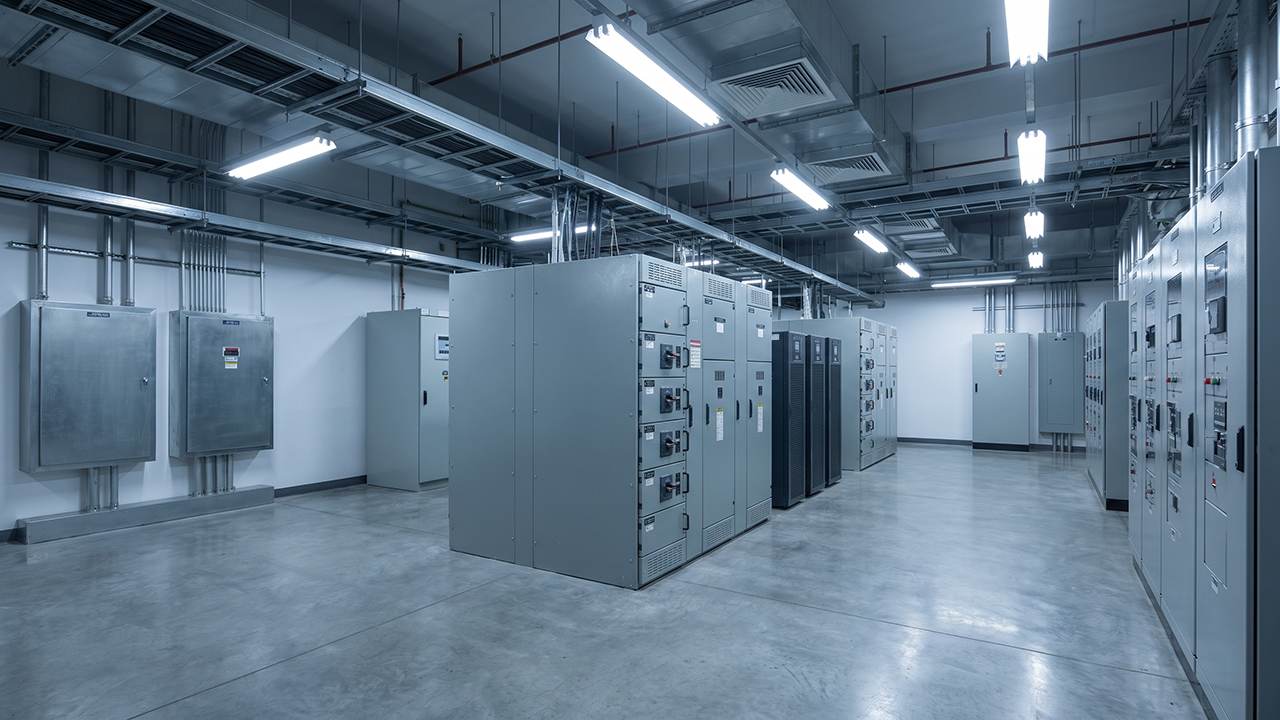
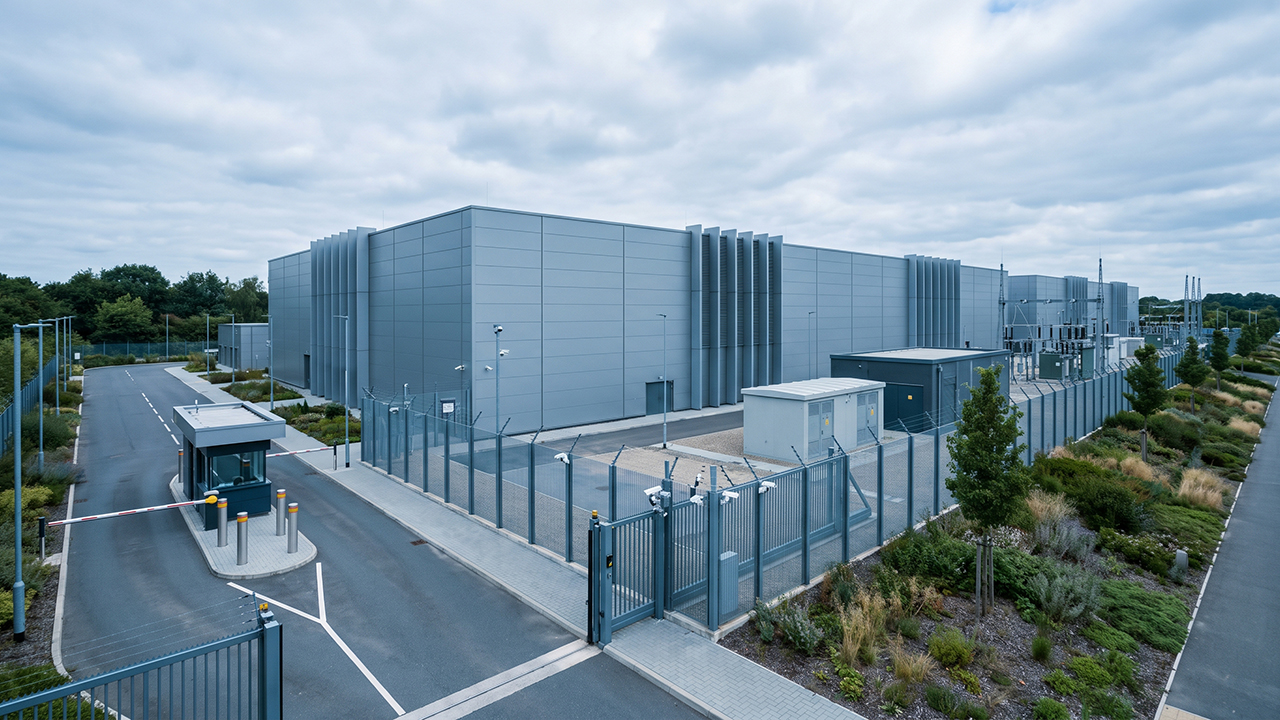
Data centers operate around the clock, making equipment reliability, physical security, and timely incident response essential to daily operations. From server racks and electrical distribution areas to restricted entrances and facility perimeters, operators need continuous visibility into key environments.
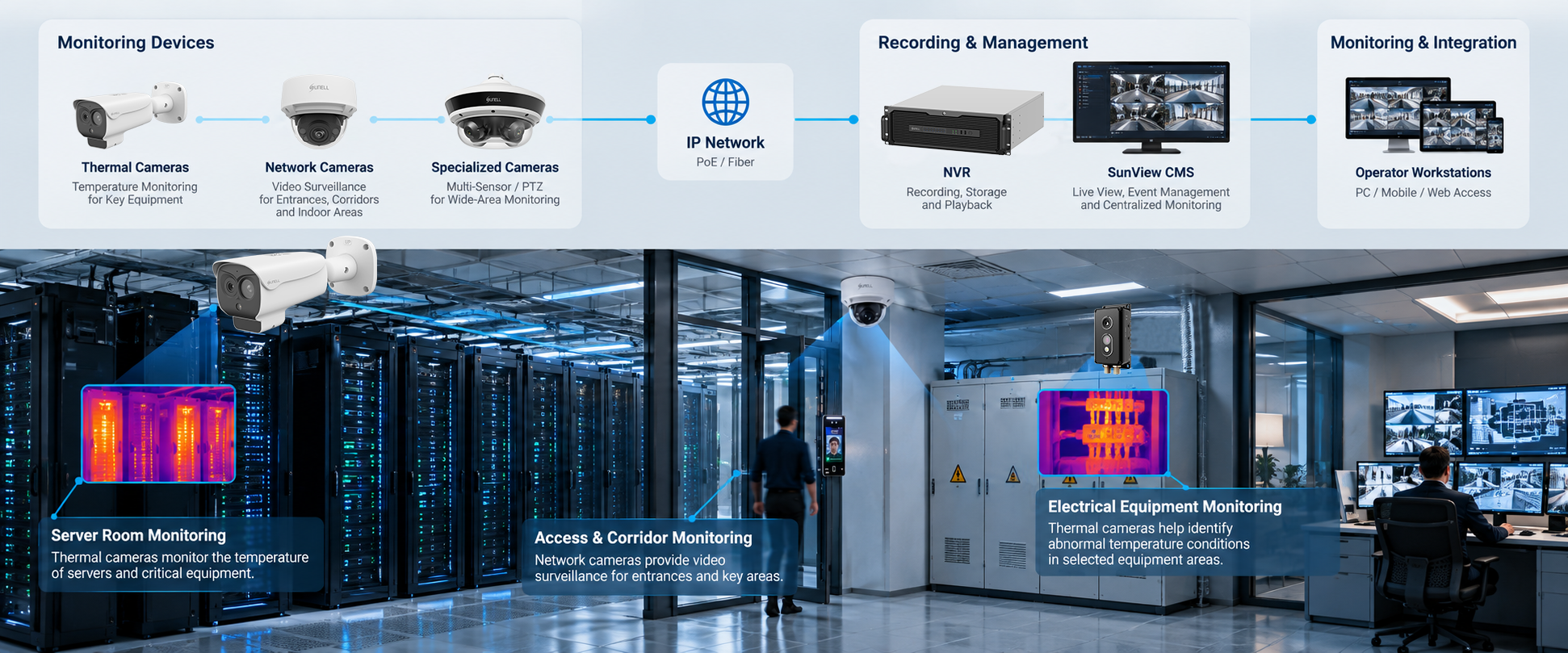
Sunell data center solutions combine thermal imaging, visible-light cameras, intelligent video analytics, and centralized video management to support the identification of abnormal temperature conditions, security events, and operational risks.
Designed for server rooms, enterprise data centers, and colocation facilities, the solution complements existing facility management and safety systems with visual verification, event-based alerts, and flexible integration options.

Dense server racks, electrical equipment, and changing workloads can create localized temperature variations that are difficult to identify through conventional video alone.
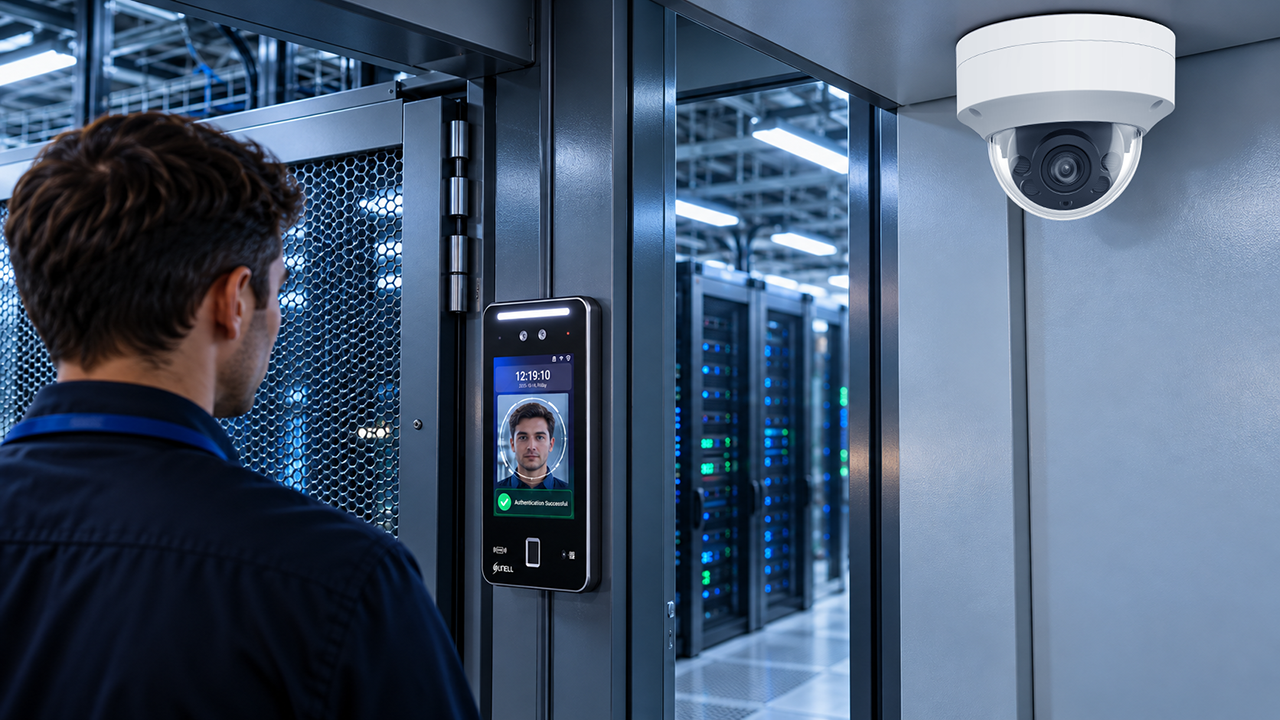
Data centers require controlled access to server rooms, technical spaces, and equipment areas, supported by reliable video records for event verification and investigation.
Multiple rooms, equipment zones, and monitoring systems can create fragmented workflows, making it harder for operators to identify and assess events efficiently.
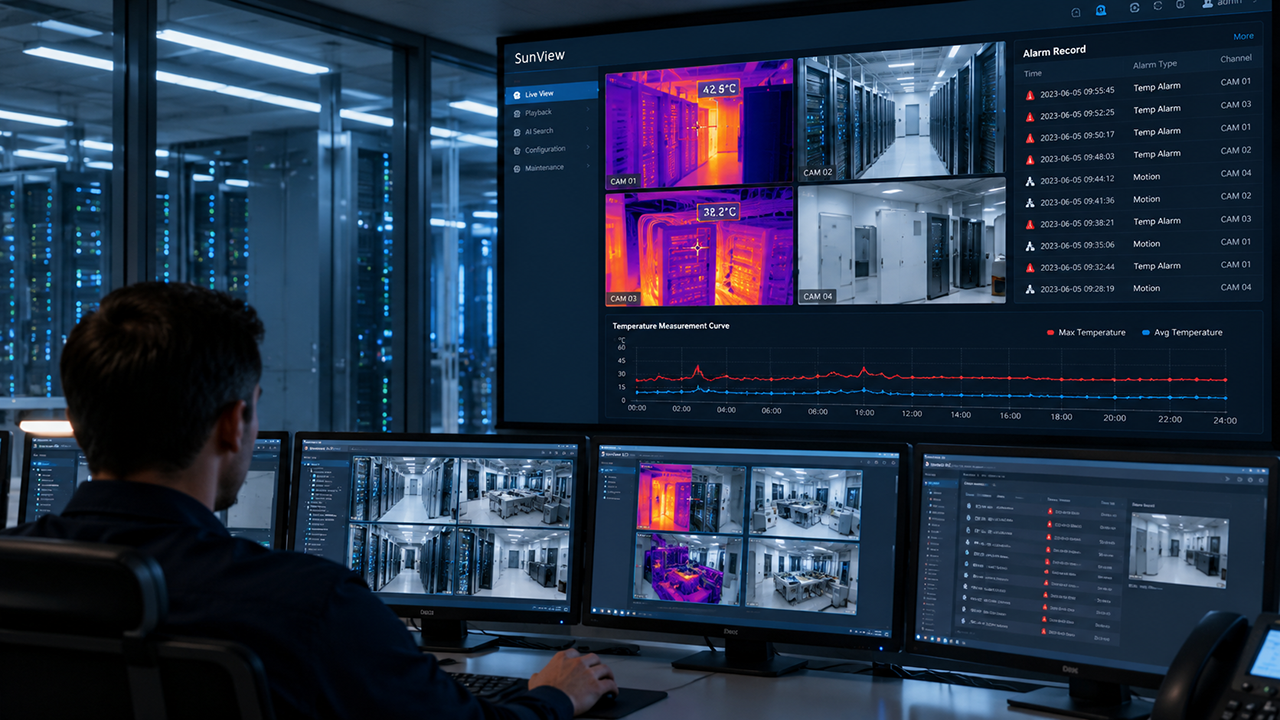
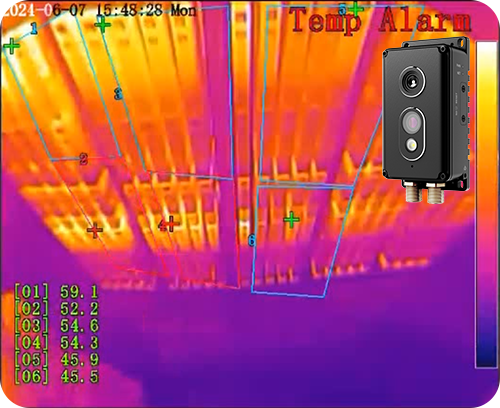
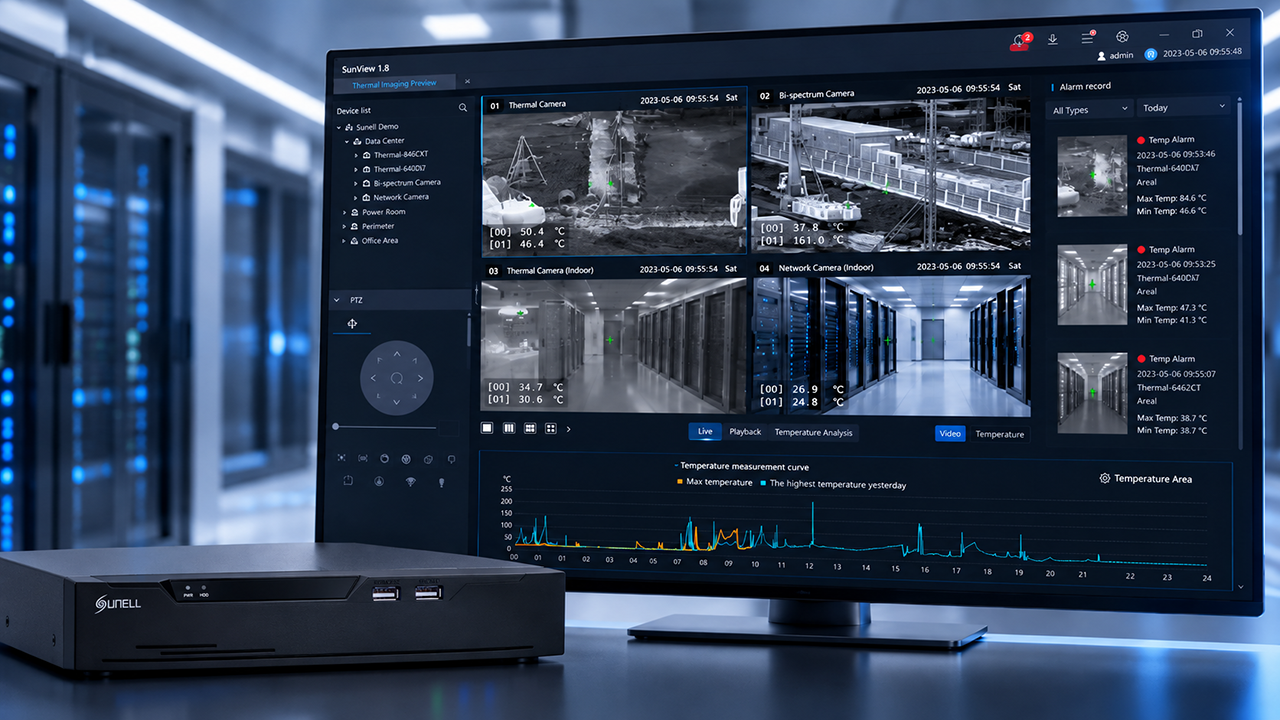
Thermal imaging provides non-contact temperature monitoring for selected server racks, electrical equipment, and technical areas. Configurable thresholds and monitoring regions help operators identify unusual heat patterns and review potential equipment risks.
Available temperature measurement functions depend on the selected camera, installation conditions, and configuration.
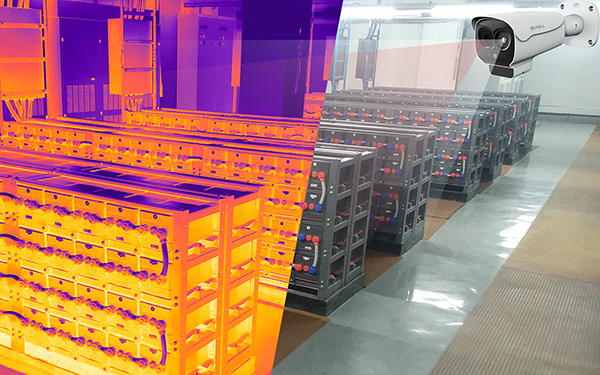
Bi-spectrum cameras combine thermal and visible-light imaging to provide complementary views of monitored equipment and surrounding environments.
This helps operators associate abnormal temperature events with visual scene information, supporting more informed assessment and maintenance decisions.
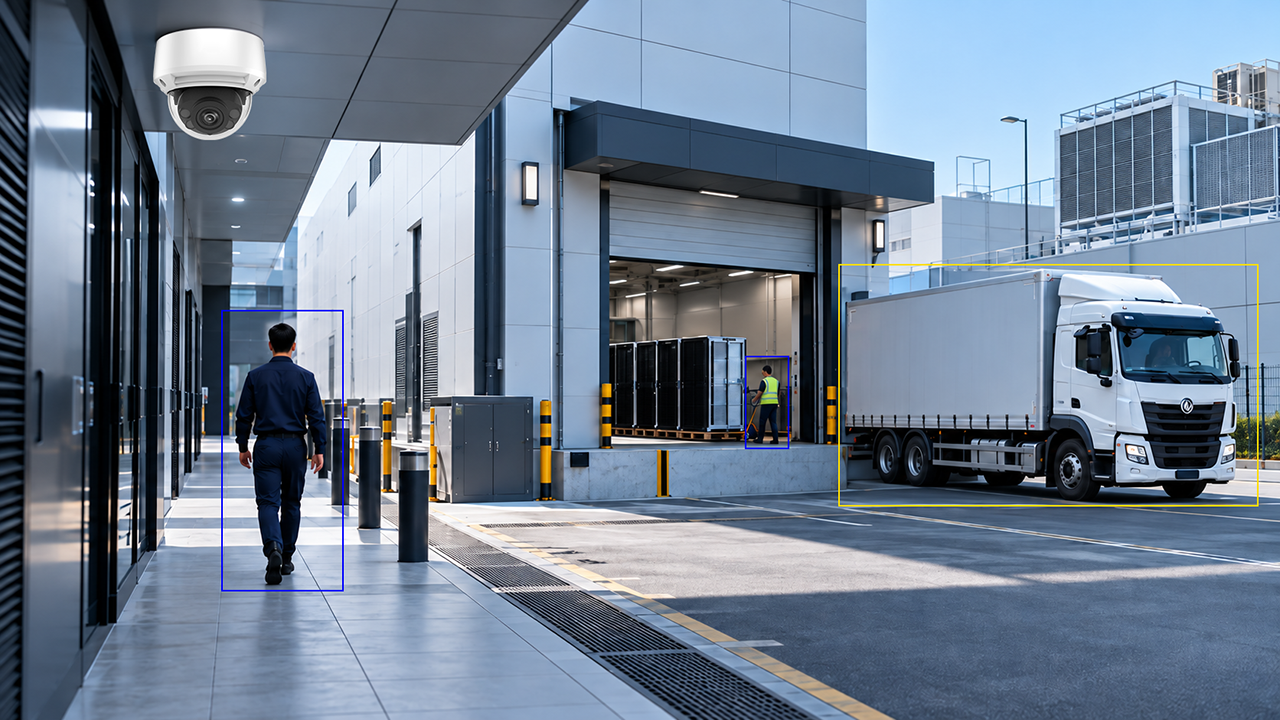
Supported network cameras provide event-based video analytics for selected security applications, including human and vehicle detection, intrusion detection, and line crossing.
These functions help security teams monitor designated areas and review relevant activity without relying solely on continuous manual observation.
Compatible video management and recording systems bring live video, event notifications, and recorded footage into a connected monitoring workflow.
Operators can review supported events, verify conditions visually, and coordinate responses across multiple monitored locations.
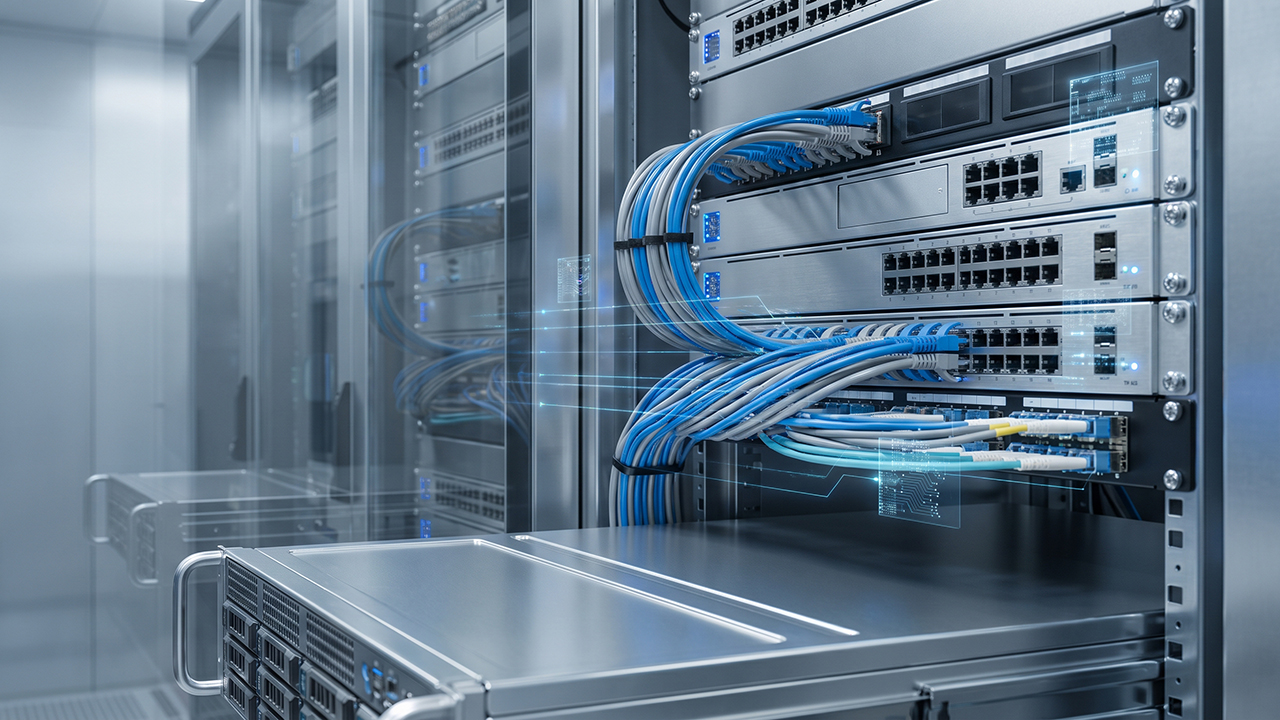
Sunell supports integration with compatible video management and facility monitoring systems, connecting video surveillance, thermal monitoring, and event information.
With standard Modbus TCP support on the D2P bi-spectrum camera and customization options for other models, Sunell helps streamline monitoring workflows across data center facilities.
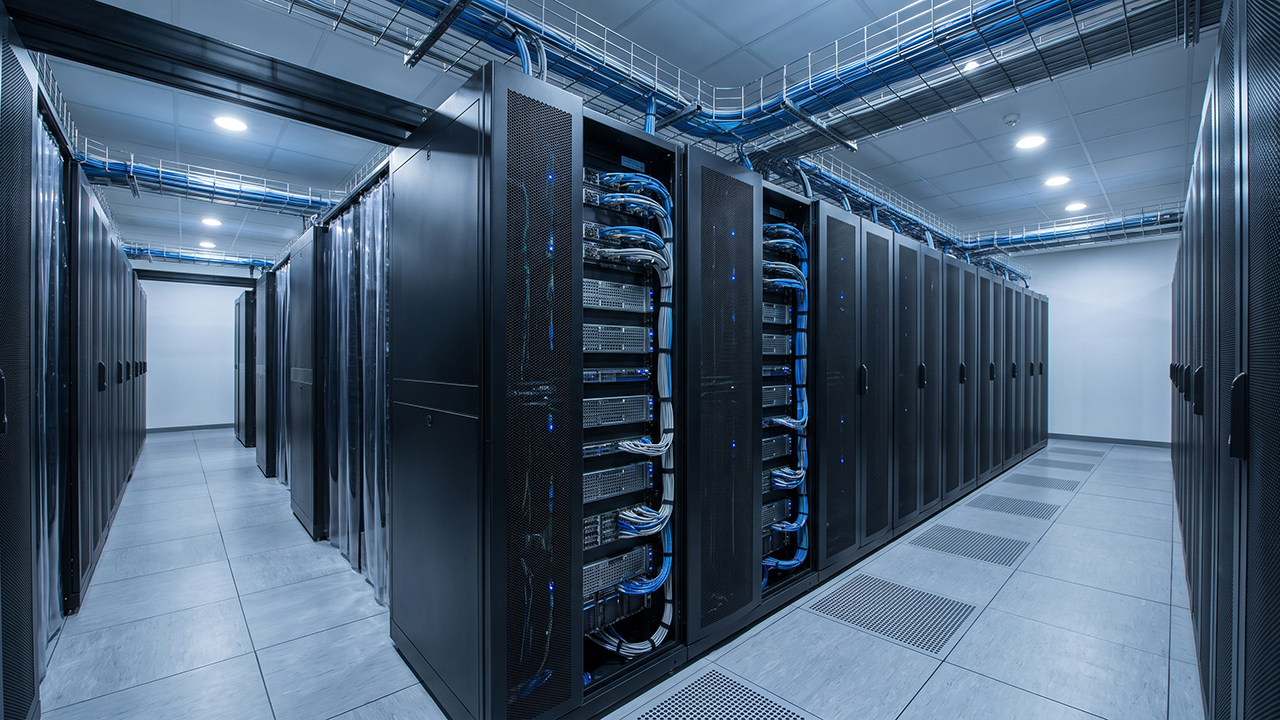
Thermal monitoring of selected equipment areas helps identify abnormal temperature conditions, while video surveillance provides additional visibility into server room activity.
Thermal cameras support temperature monitoring of accessible electrical equipment surfaces, helping maintenance teams identify potential overheating conditions.
Intelligent video surveillance supports monitoring of facility boundaries, service entrances, and outdoor equipment areas.
A data center video surveillance solution uses network cameras, recording systems, video analytics, and centralized management software to monitor designated facility areas. Thermal imaging can also support temperature anomaly detection in selected equipment and infrastructure locations.
Thermal cameras measure infrared radiation from visible surfaces and can identify temperature differences within configured monitoring areas. This supports the identification of unusual heat patterns, subject to camera capabilities, installation conditions, and measurement settings.
Thermal monitoring can provide early indications of abnormal surface temperatures when suitable thresholds and monitoring conditions are established. It cannot predict every equipment failure or replace dedicated equipment health monitoring and safety systems.
Selected Sunell products offer connectivity through compatible interfaces and protocols. The D2P bi-spectrum camera includes Modbus TCP as a standard feature; other models may support Modbus TCP through project-specific customization. Integration requirements should be confirmed for the selected product and deployment.
Yes. Thermal and visible-light cameras can be used together to provide complementary temperature and visual information. Compatible recording and management systems can support centralized viewing and event review.
No. Thermal imaging provides supplementary temperature monitoring and event awareness. It does not replace fire detection, fire suppression, environmental monitoring, or other required facility safety systems.
Typical areas include server rooms, electrical distribution rooms, restricted entrances, corridors, service areas, and facility perimeters. Camera placement and monitoring coverage should follow a project-specific site assessment.
Key considerations include monitoring distance, field of view, temperature measurement range and accuracy, installation position, environmental conditions, alarm configuration, and integration requirements. Each camera should be evaluated against the actual task.