Mining sites combine large operating areas, heavy equipment, restricted zones, remote infrastructure, and demanding environmental conditions.
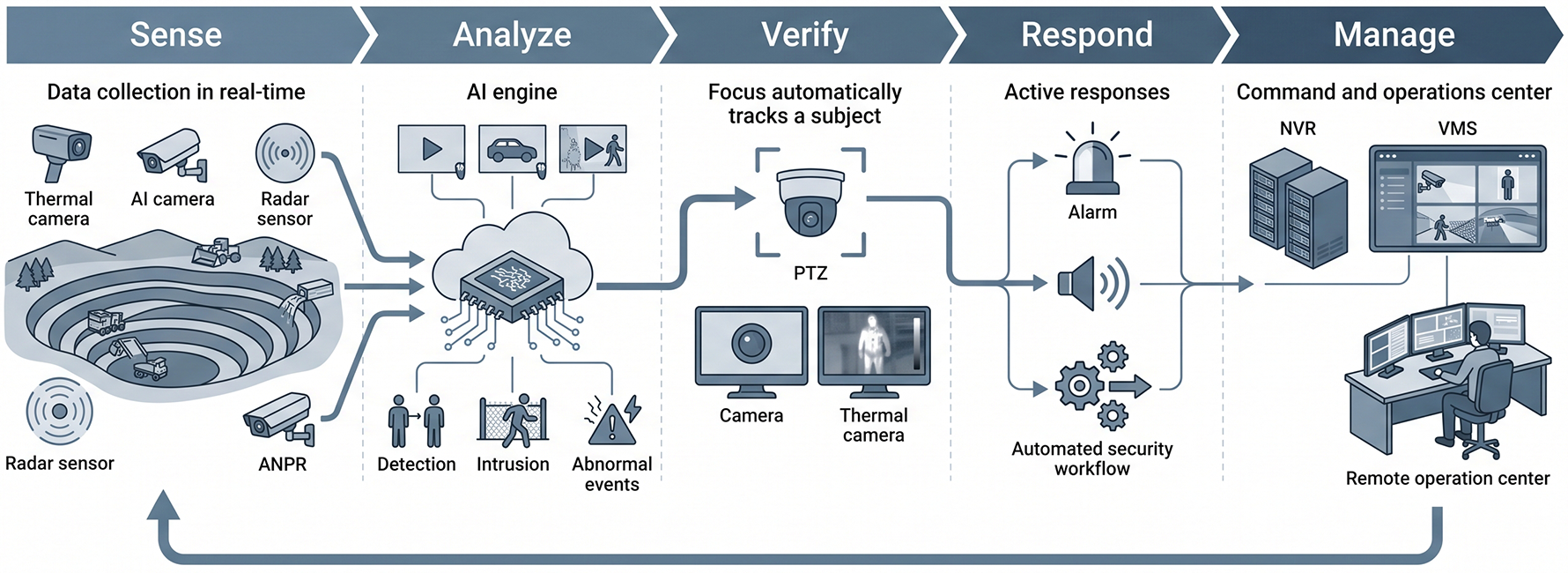
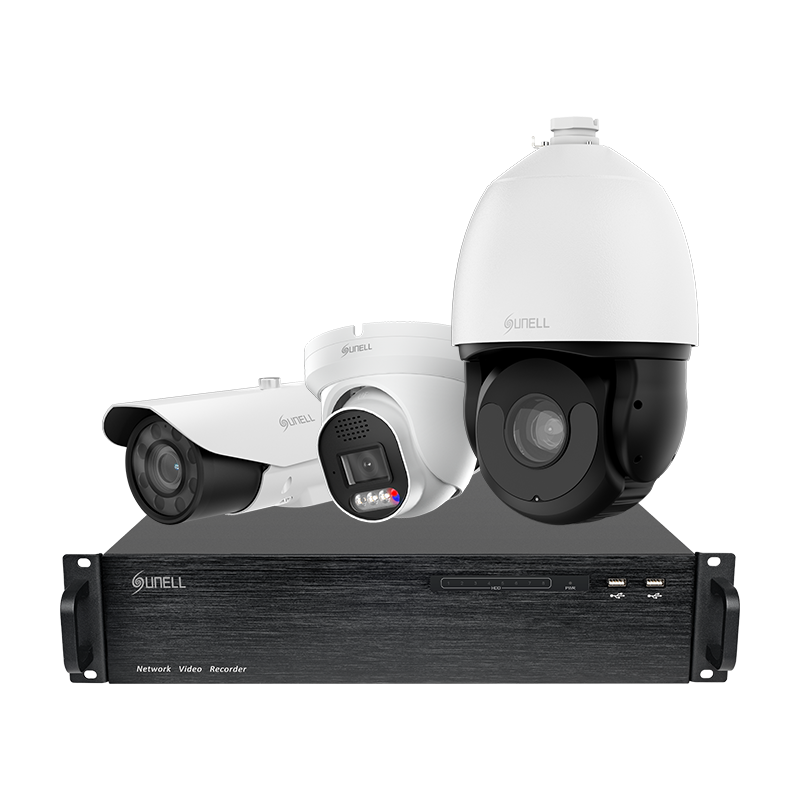
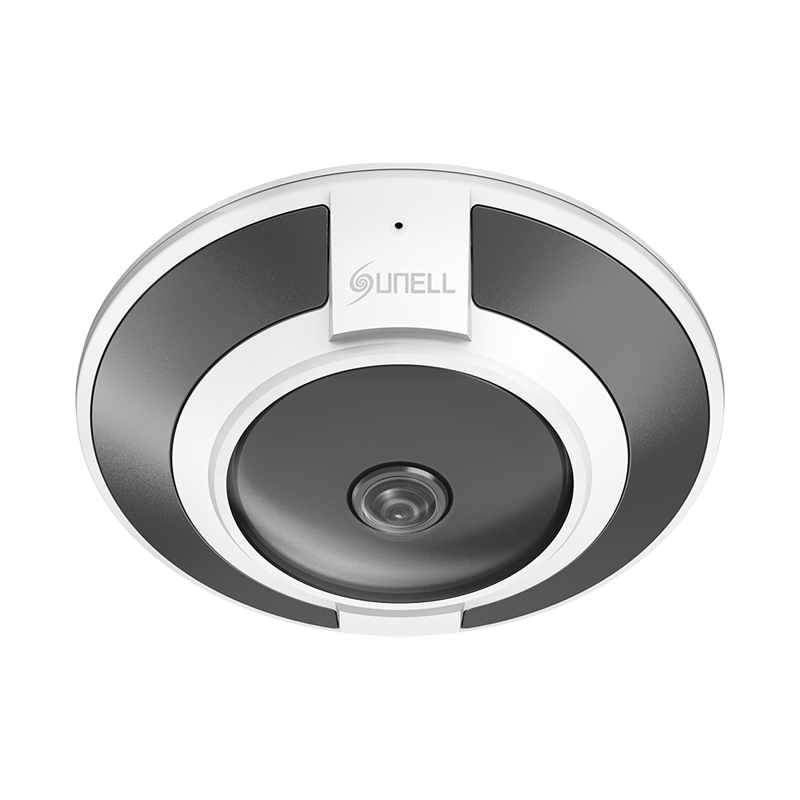
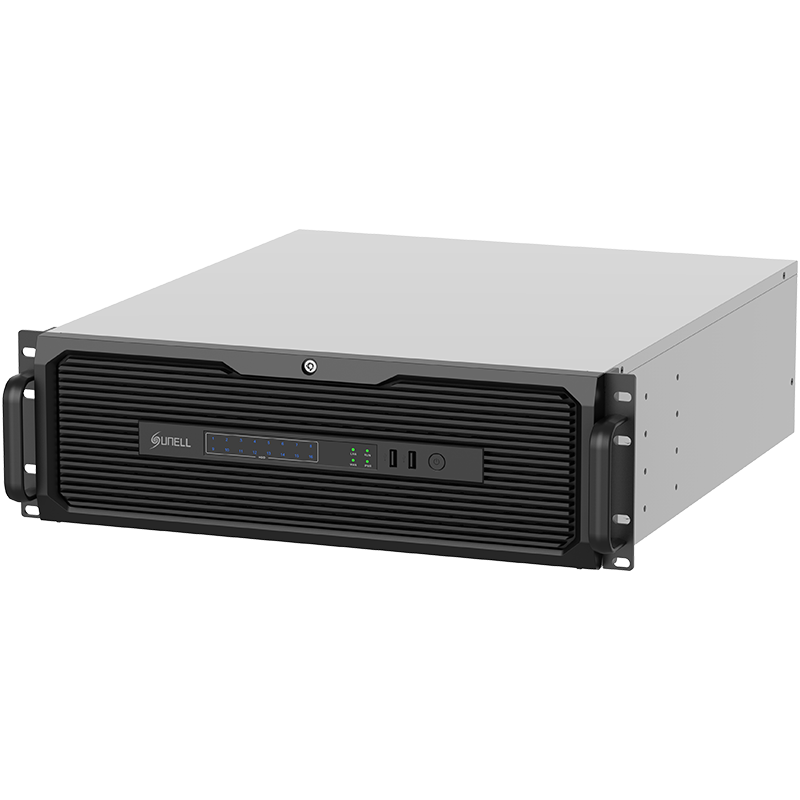
Sunell Mining Video Surveillance Solution brings together intelligent video surveillance, thermal imaging, long-range monitoring, and centralized video management to support security and operational awareness across mining environments.
By combining multiple sensing and imaging technologies within a scalable surveillance architecture, mining operators can improve event detection, visual verification, recorded evidence, and centralized monitoring across distributed sites.
Mining sites span large, remote areas with haul roads, processing facilities, stockyards, critical equipment, and restricted zones, making comprehensive monitoring difficult.
Heavy equipment, personnel activity, thermal anomalies, and critical assets create diverse risks that require continuous situational awareness and faster event verification.
Dust, darkness, extreme temperatures, changing weather, and long monitoring distances can limit the effectiveness of conventional video surveillance.
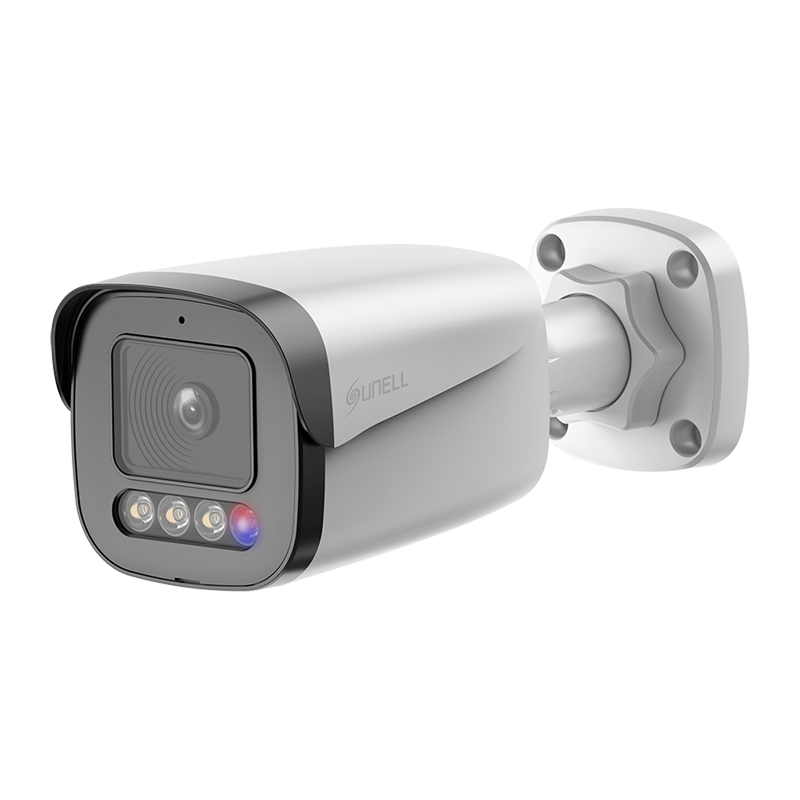
Human and vehicle classification, intrusion detection, and event-based intelligence for faster risk identification.
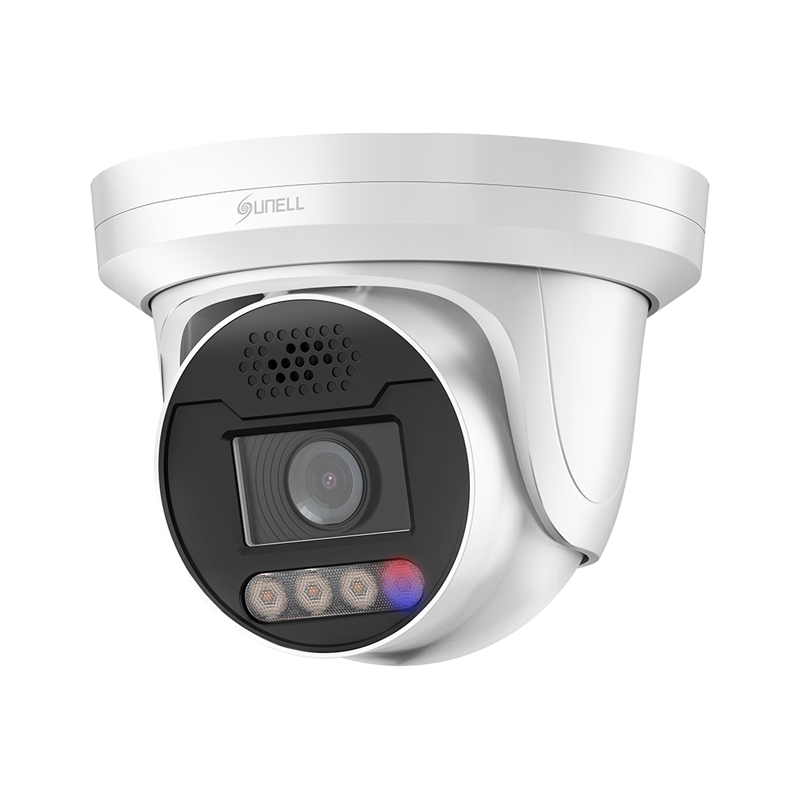
Enhanced visibility in darkness and support for abnormal temperature monitoring in selected mining applications.
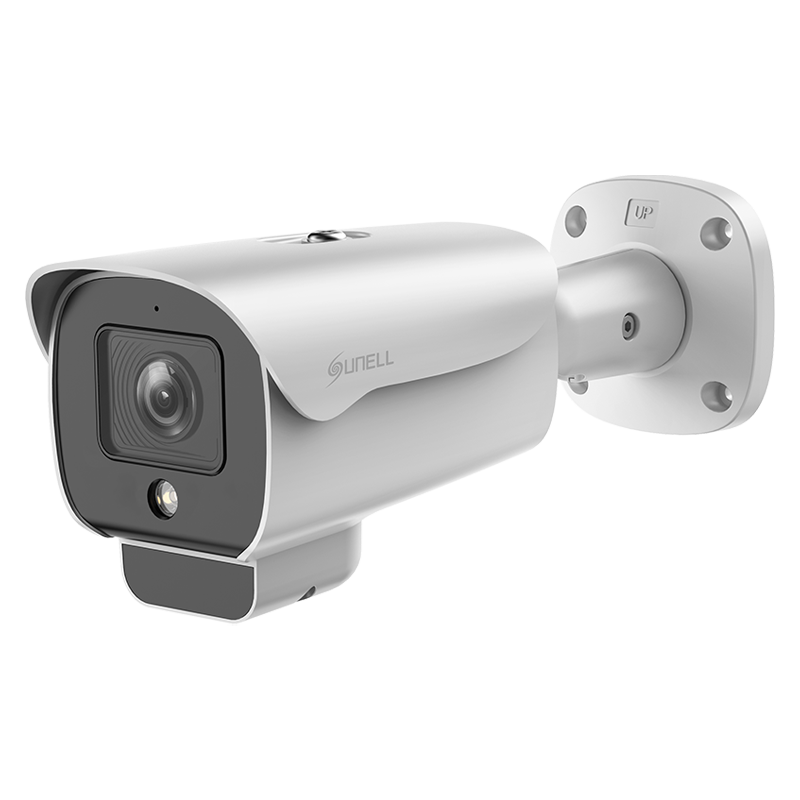
Long-distance observation and visual verification across large open-pit mines, haul roads, and remote areas.
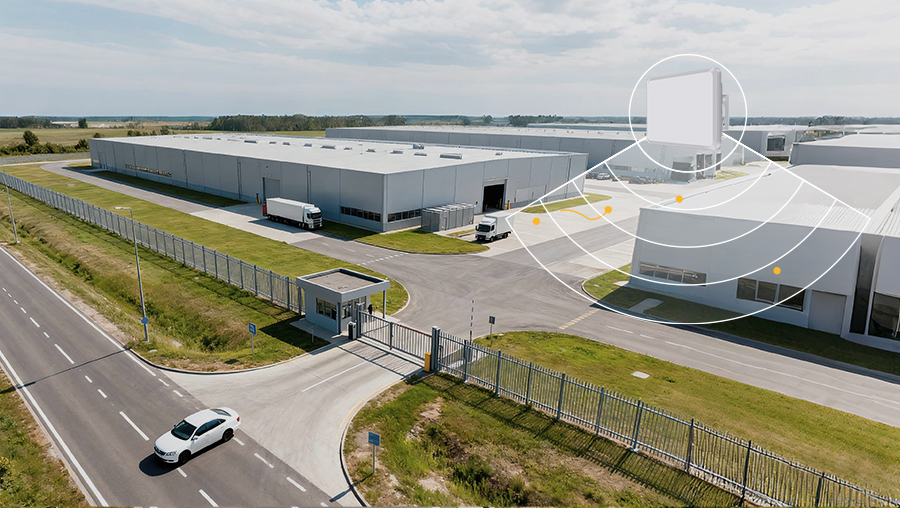
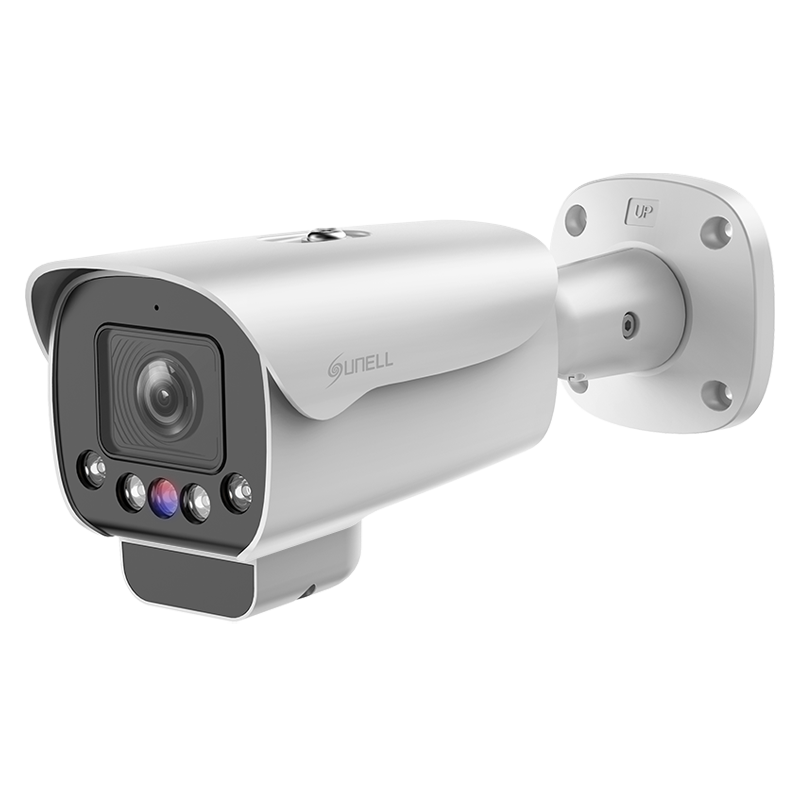
Wide-area target detection combined with PTZ-based visual verification for perimeter and open-area monitoring.
Protect assets, personnel and facilities with intelligent security solutions.
AI analytics
Remote monitoring
Event response
Improve visibility and operational efficiency through intelligent video technologies.
Area protection
Access monitoring
Centralized management
Intelligent monitoring and security solutions for critical operational areas.
Real-time monitoring
Event detection
Video verification
The project has defined authentication, encryption, hardening, update, vulnerability, or regulatory requirements. Buyers should relate the feature to a defined operational requirement rather than treating it as a universal specification.
Check the exact model and firmware in the current datasheet or compatibility documentation, then request written confirmation for the quoted configuration. A general cybersecurity description is not evidence that every model implements the same controls.